Just How to Find Senior Living Near Me That Specializes in Dementia Care
@titusrxol805
November 11, 2026 · 18 min read
Business Name: BeeHive Homes of Albuquerque NM - Assisted Living Facility
Address: 6401 Corona Ave NE, Albuquerque, NM 87113
Phone: (505) 221-6400
BeeHive Homes of Albuquerque NM - Assisted Living Facility
BeeHive Village is a premier Albuquerque Assisted Living facility and the perfect transition from an independent living facility or environment. Our Alzheimer care in Albuquerque, NM is designed to be smaller to create a more intimate atmosphere and to provide a family feel while our residents experience exceptional quality care. Memory loss, dementia and Alzheimer's disease are becoming quite pervasive in our society. Dementia care assisted living in Albuquerque NM offers catered memory care services, attention and medication management, often in a secure dementia assisted living in Albuquerque or nursing home setting. We invite you to come and visit our elder care and feel what truly makes us the next best place to home.
6401 Corona Ave NE, Albuquerque, NM 87113
Business Hours
Searching for senior living near me can feel simple initially, until dementia goes into the photo. Then the inquiry modifications. You are no longer just comparing homes, dining spaces, and activity schedules. You are trying to find a place that can deal with amnesia, altering habits, safety issues, medicine regimens, family communication, and the psychological weight that features all of it.
That is a various type of search, and it should have a various kind of attention.
Families frequently begin by inputting memory care near me right into a search bar and wishing the initial few outcomes will certainly inform the entire story. Occasionally they get lucky. More often, they find themselves reading glossy sales brochures that say the appropriate points without discussing just how care really works on a Tuesday afternoon when somebody fears, baffled, or trying to leave the structure. The very best communities for dementia care generally do not just advertise memory care. They can explain it clearly, reveal it at work, and talk truthfully concerning what they do well and where their limits are.
If you are in that search currently, you are probably balancing love, necessity, and exhaustion. You may be assisting a parent, partner, or other elder care family member who still has good days mixed with harder ones. You might likewise be attempting to understand the difference between assisted living, memory care, proficient nursing, and respite care without ending up being a permanent researcher. That is where a useful method helps.
Start by calling the level of assistance that is actually needed
Many households start with area, that makes sense. Proximity matters. You intend to have the ability to visit, bring clothing, attend care conferences, and react rapidly if something adjustments. However location alone is insufficient. Prior to you contrast areas, get sincere concerning what the person requires today, not what they needed 6 months ago or what everybody wished they would still manage.
Dementia care is not one-size-fits-all. An individual that is forgetful and needs aid with meals and tips might still do well in assisted living with solid guidance. Somebody who roams, becomes disoriented in unknown rooms, or requires help with almost every part of the day will typically need a devoted memory care area. If there are regular falls, intricate drug demands, swallowing issues, or advanced clinical problems, you may require a higher level of care than memory care alone can offer.
This difference issues due to the fact that some areas are superb at companionship and routine yet are not outfitted for the full variety of habits dementia can bring. Others are built especially for it. Corridors are less complicated to navigate, departures are safeguarded, staff are educated to redirect as opposed to challenge, and daily life is structured to decrease stress. That framework can make a big difference for both safety and dignity.
A good way to think about it is this: if the person can still function with pointers and restricted oversight, senior care or assisted living might be enough in the meantime. If confusion is producing real threats, memory care is entitled to serious consideration.
What makes dementia-focused senior living different
An area that focuses on dementia care need to feel various the minute you walk in. Not due to the fact that it looks medical, however because it feels calmer and even more intentional.
Hallways are typically created to prevent stumbling blocks and unnecessary confusion. Usual areas tend to be visible and easy to reach. Employee often welcome residents by name and make use of straightforward, calming language. Activities are much less about keeping individuals active and more about providing the brain and body acquainted rhythms. Songs, folding towels, arranging items, gentle exercise, and repetitive tasks frequently work much better than loud or complex group events.
The difference appears in the information. Meals might be offered at constant times, with cues and aid integrated in. Restrooms may have much better signage. Lighting might minimize tailing that can cause stress and anxiety. Some neighborhoods use shade cues or memory boxes outside resident rooms. Those are not decorative touches. They are devices that aid protect independence longer.
There is likewise a significant difference in staffing style. As a whole senior living, personnel may support self-reliance and light daily help. In dementia care, team need to identify adjustments in state of mind, frustration, sleep patterns, and complication, sometimes prior to households discover anything. They should recognize just how to come close to somebody who is scared, repeated, questionable, or resistant to care without escalating the minute. That takes training, patience, and consistency.
When you tour, ask how much time employee stay. High turnover can deteriorate trust swiftly, particularly with memory loss. Residents typically depend on familiarity more than they can explain. An unfamiliar person aiding with showering or dishes can really feel harmful. An acquainted face can make the difference in between a serene early morning and a challenging one.
Finding the ideal place near you without obtaining lost in marketing
A search for memory care near me can produce lots of options within a couple of miles. The difficulty is filtering what appears sleek from what in fact fits.
Start with the sensible questions. Exactly how much is the area from household? Is the drive sensible on weekdays and weekend breaks? Can a person visit after work, or only on rare day of rests? If the person has a doctor, specialist, or relied on pharmacologist close by, can the brand-new location support those connections? A place can be gorgeous and still be the wrong fit if it includes way too much logistical strain.
Then look at the physical area. Is the structure near to healthcare facilities, immediate care, and pharmacies? Is the surrounding area simple to browse for site visitors? If you are taking care of somebody that might require regular consultations, the area must decrease, not raise, your load.
Word of mouth still matters a great deal. Ask local care supervisors, elder care lawyers, health center discharge planners, and also pharmacists which areas have a credibility for taking dementia seriously. They typically understand which places respond well to altering demands and which ones struggle when homeowners decline. On-line evaluations can help, yet they are only one component of the picture. A couple of miserable testimonials might reflect a challenging season. A pattern of problems concerning interaction, staffing, or missed care is more difficult to dismiss.
If feasible, visit greater than once. Tour on a weekday and, if you can manage it, return at a different time of day. An area that looks calm at 10 a.m. Can really feel very various throughout dinner or late mid-day, which is when sundowning and restlessness typically show up.
The inquiries that expose just how a community truly operates
A brochure can inform you virtually absolutely nothing concerning life. Questions can inform you a lot, specifically if you pay attention for clear solutions rather than sleek ones.
You do not need to interrogate personnel, yet you do require to ask straight concerns concerning dementia care, staffing, and everyday regimens. If they can answer plainly, that is an excellent sign. If they dodge, generalize, or keep returning to marketing language, take note.
Here are a couple of questions that often tend to open valuable conversations:
- How do you sustain homeowners that wander, withstand care, or end up being distressed in the evening?
- What dementia-specific training do caregivers receive, and exactly how commonly is it refreshed?
- How do you choose when a resident needs a greater degree of care?
- What does a regular day appear like for somebody in memory care?
- How do families stay notified when a resident's behavior or health changes?
The finest responses specify. You desire instances. You wish to listen to how a staff member responds when someone can not remember their room, refuses a shower, or is searching for a spouse that has passed away. A thoughtful neighborhood can discuss exactly how they redirect, comfort, and record what took place so patterns can be addressed.
Also inquire about medicine monitoring. Even in a supportive setup, this component of care can be made complex. Some citizens require timing precision, others require observation for negative effects, and some drugs communicate with actions or hunger in means families do not expect. A neighborhood that focuses on dementia care need to have a clear procedure for medicine administration and interaction with outside providers.
Signs that the setup is built for real life, not just tours
Families commonly leave scenic tours thrilled by the dining-room, the activity board, or the sleek welcome workdesk. Those things issue, however they are not the entire story. The even more revealing indicators are typically quieter.
Watch how locals move with the room. Are they pacing with objective or roaming aimlessly? Do personnel redirect with patience, or do they correct individuals in a way that appears hurried? Are residents taken part in small, meaningful tasks, or merely parked in front of a television?
Look at the washrooms, also. That might seem mundane, yet it is among the places where thoughtful layout actually reveals. Clear signage, available fixtures, good lighting, and privacy cues can minimize crashes and shame. So can flooring that is very easy to read aesthetically, because some people with dementia struggle to translate patterns or glossy surfaces.
Pay interest to noise levels. Memory loss commonly makes people more conscious mayhem. A neighborhood that blasts songs or has consistent expenses news may look energetic yet can be tiring for residents with cognitive decline. A calmer setting normally functions better.
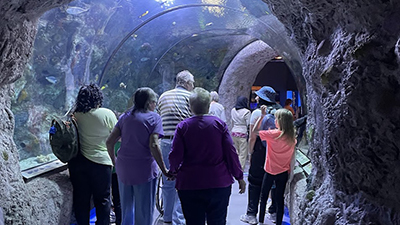
If the structure really feels tidy however sterilized, that is something. If it really feels clean and stayed in, with acquainted things, seasonal decors, and homeowners who seem comfortable, that usually says more. People with dementia normally do much better where the room supports regular and recognition rather than attempting to impress visitors.
The duty of respite care while you decide
Sometimes family members prepare to progress, and in some cases they are not. That space can be demanding, specifically if caregiving in your home has actually become unsustainable. This is where respite care can be very useful.
A brief keep offers you time to check an area prior to making a complete dedication. It additionally provides the person with dementia an opportunity to experience the atmosphere, regimens, and personnel without the pressure of a permanent move. If the transition goes well, you find out something valuable. If it does not, you discover that as well, prior to making a bigger decision.
Respite stays can likewise provide family caretakers a vital break. Dementia caregiving wears individuals down in manner ins which are difficult to outsiders. There is the evident manual labor, yet there is additionally the consistent watchfulness, the repetition, the psychological strain of seeing a loved one change, and the changability of each day. Also a short break can make family members more clear, extra patient, and better able to decide what comes next.
Not every area handles respite care just as well. Ask whether temporary residents participate in the very same programs as permanent residents, exactly how medication is handled during the remain, and what communication you will certainly obtain while the person exists. An excellent respite stay must seem like a real experience of the community, not a watered-down version.

Cost, value, and what households commonly miss out on at first
Price issues, but it must be read very carefully. Two neighborhoods may quote similar monthly rates and still supply really various value. One might include aid with bathing, meals, medication administration, laundry, and activities. An additional may promote a lower base fee and then add fees for nearly every service.
Ask for a full explanation of what is included. Find out exactly how rates changes as needs enhance. Dementia can be consistent for a while, then move swiftly. You do not want to choose a location that looks inexpensive now but comes to be difficult to sustain when care requires rise.
Also inquire about move-in fees, degrees of care, and price rises. These are not small details. A family members can make a strong psychological choice and still be blindsided by the economic structure if they do not ask early. If financial resources are limited, talk honestly with the community about what may be negotiable and whether there are different apartment or condo kinds or solution bundles.
It is likewise worth bearing in mind that the most inexpensive alternative is not always the least costly with time. A community with far better staffing, better supervision, and less situations can minimize hospital trips, emergency relocations, and caregiver fatigue. That does not indicate greater expense instantly equals better. It indicates value should be gauged by the whole photo, not a heading number.
When the individual is immune to moving
This is just one of the hardest parts of the procedure. A person with dementia may deny the idea of moving even when the family can see the demand plainly. They might claim they are great, charge others of overreacting, or come to be dismayed at the suggestion of leaving home.
Arguing normally backfires. So does offering the relocation as an examination they must pass. What jobs much better is typically a gentler framework. You may discuss getting even more aid, being closer to sustain, or attempting a place where meals and medicine are taken care of for them. If memory loss is considerable, too much detail can activate fear. The goal is not to win a dispute. The objective is to decrease distress and maintain trust.
Sometimes an action ends up being needed after a healthcare facility stay, drops, medicine errors, or harmful straying. In those cases, the family has much less room to postpone. A community that understands dementia needs to have the ability to assist you with change planning, including what to bring, how to minimize confusion on move-in day, and whether a familiar member of the family need to remain via the first dish or first evening.
The very first few weeks matter a great deal. Rest, cravings, and state of mind can all change throughout the adjustment period. Great team recognize that. They do not overreact to every difficult day, however they also do not disregard worries as "simply modification" when patterns are plainly off.
What a strong dementia care society feels like
The ideal memory care neighborhoods generally have one point in common: they respect the person, not simply the diagnosis.
That respect appears in small methods. Personnel do not discuss locals. They give adequate time for solutions. They use selections that are workable, not overwhelming. They comprehend that a person can be perplexed and still prefer a particular coat, tune, food, or regimen. They do not infantilize grownups just because cognition has changed.
Families feel this distinction promptly. Interaction is clearer. Worries are taken seriously. The setting feels much less chaotic. You may still have difficult days, due to the fact that dementia is hard, senior living albuquerque nm beehivehomes.com yet you should not really feel like you are frequently fighting the system to obtain fundamental care.
If you are comparing several communities, trust your body as high as your checklist. Did you feel hurried? Did the staff seem comfy addressing tough questions? Did citizens show up tranquil, clean, and appropriately engaged? Did the place feel created for people with memory loss, or only decorated to resemble that idea?
Those perceptions matter.
Choosing among senior living near me alternatives is never just concerning a building. It is about whether individuals inside understand the truths of dementia and can support a transforming human being with solidity and dignity. That is why a careful search settles. It shields the person that needs care, but it also safeguards the member of the family who will certainly carry this decision for years.
Finding the appropriate location can take time, which is normal. A thoughtful search is not a delay. It belongs to excellent care.
BeeHive Homes of Albuquerque NM - Assisted Living Facility provides assisted living care
BeeHive Homes of Albuquerque NM - Assisted Living Facility provides memory care services
BeeHive Homes of Albuquerque NM - Assisted Living Facility provides respite care services
BeeHive Homes of Albuquerque NM - Assisted Living Facility supports assistance with bathing and grooming
BeeHive Homes of Albuquerque NM - Assisted Living Facility offers private bedrooms with private bathrooms
BeeHive Homes of Albuquerque NM - Assisted Living Facility provides medication monitoring and documentation
BeeHive Homes of Albuquerque NM - Assisted Living Facility serves dietitian-approved meals
BeeHive Homes of Albuquerque NM - Assisted Living Facility provides housekeeping services
BeeHive Homes of Albuquerque NM - Assisted Living Facility provides laundry services
BeeHive Homes of Albuquerque NM - Assisted Living Facility offers community dining and social engagement activities
BeeHive Homes of Albuquerque NM - Assisted Living Facility features life enrichment activities
BeeHive Homes of Albuquerque NM - Assisted Living Facility supports personal care assistance during meals and daily routines
BeeHive Homes of Albuquerque NM - Assisted Living Facility promotes frequent physical and mental exercise opportunities
BeeHive Homes of Albuquerque NM - Assisted Living Facility provides a home-like residential environment
BeeHive Homes of Albuquerque NM - Assisted Living Facility creates customized care plans as residents’ needs change
BeeHive Homes of Albuquerque NM - Assisted Living Facility assesses individual resident care needs
BeeHive Homes of Albuquerque NM - Assisted Living Facility accepts private pay and long-term care insurance
BeeHive Homes of Albuquerque NM - Assisted Living Facility assists qualified veterans with Aid and Attendance benefits
BeeHive Homes of Albuquerque NM - Assisted Living Facility encourages meaningful resident-to-staff relationships
BeeHive Homes of Albuquerque NM - Assisted Living Facility delivers compassionate, attentive senior care focused on dignity and comfort
BeeHive Homes of Albuquerque NM - Assisted Living Facility has a phone number of (505) 221-6400
BeeHive Homes of Albuquerque NM - Assisted Living Facility has an address of 6401 Corona Ave NE, Albuquerque, NM 87113
BeeHive Homes of Albuquerque NM - Assisted Living Facility has a website https://beehivehomes.com/locations/albuquerque/
BeeHive Homes of Albuquerque NM - Assisted Living Facility has Google Maps listing https://maps.app.goo.gl/3oqufzNUPNMqK22LA
BeeHive Homes of Albuquerque NM - Assisted Living Facility has Facebook page https://www.facebook.com/BeeHiveHomesAbq
BeeHive Homes of Albuquerque NM - Assisted Living Facility has an YouTube page https://www.youtube.com/channel/UCNFwLedvRtjtXl2l5QCQj3A
BeeHive Homes of Albuquerque NM - Assisted Living Facility won Top Assisted Living Homes 2025
BeeHive Homes of Albuquerque NM - Assisted Living Facility earned Best Customer Service Award 2024
BeeHive Homes of Albuquerque NM - Assisted Living Facility placed 1st for Senior Living Communities 2025
People Also Ask about BeeHive Homes of Albuquerque NM
What is BeeHive Homes of Albuquerque NM Living monthly room rate?
The rate depends on the level of care that is needed. We do a pre-admission evaluation for each resident to determine the level of care needed. The monthly rate is based on this evaluation. There are no hidden costs or fees
Can residents stay in BeeHive Homes until the end of their life?
Usually yes. There are exceptions, such as when there are safety issues with the resident, or they need 24 hour skilled nursing services
Do we have a nurse on staff?
Yes. We have a registered nurse on premise 40 hours/week. In addition, we have an on-call nurse for any after-hours needs
What are BeeHive Homes’ visiting hours?
Visiting hours are adjusted to accommodate the families and the resident’s needs… just not too early or too late
Do we have couple’s rooms available?
Yes, each home has rooms designed to accommodate couples. Please ask about the availability of these rooms
Where is BeeHive Homes of Albuquerque NM located?
BeeHive Homes of Albuquerque NM is conveniently located at 6401 Corona Ave NE, Albuquerque, NM 87113. You can easily find directions on Google Maps or call at (505) 221-6400 Monday through Sunday 9:00am to 5:00pm
How can I contact BeeHive Homes of Albuquerque NM?
You can contact BeeHive Homes of Albuquerque NM - Assisted Living Facility by phone at: (505) 221-6400, visit their website at https://beehivehomes.com/locations/albuquerque/ or connect on social media via Facebook TikTok or YouTube
Residents may take a trip to El Oso Grande Park. El Oso Grande Park provides neighborhood green space that supports assisted living, memory care, senior care, elderly care, and respite care outdoor relaxation.